





My Skill Mart

My Skill Mart

You Won’t Believe How Easy Healthy Food Access Can Be: Solutions to End Food Deserts!

Healthy Food Access

You Won’t Believe How Easy Healthy Food Access Can Be: Solutions to End Food Deserts! Imagine craving a fresh salad but finding only processed snacks at the corner store. For millions, this isn’t just a bad day—it’s daily life. Limited healthy food access is a real problem, especially in food deserts, where nutritious options are scarce. But don’t worry! This guide breaks down food desert solutions and shows how to improve healthy food access with practical, beginner-friendly steps. Whether you’re in a rural town or an urban neighborhood, these solutions for food deserts can transform your community’s food scene. Table of Contents What Is Limited Healthy Food Access? Why Food Deserts Exist Top Food Desert Solutions to Boost Healthy Food Access Community Gardens: Growing Your Own Food Mobile Markets: Bringing Food to You Policy Changes: Advocating for Better Access How to Improve Healthy Food Access in Your Area Start Small with Local Initiatives Partner with Nonprofits and Businesses The Impact of Solutions for Food Deserts Frequently Asked Questions (FAQ) What Is Limited Healthy Food Access? Healthy food access means having easy, affordable, and consistent access to nutritious foods like fruits, vegetables, whole grains, and lean proteins. When this access is limited, people rely on fast food or processed items, which can harm health over time. Areas with poor healthy food access are often called food deserts—places where grocery stores are far away, and transportation is a challenge. For example, in some neighborhoods, the nearest supermarket might be miles away, and without a car, getting fresh produce feels like a quest. This problem widely affects the urban as well as the rural communities, mostly the low-income families. Understanding this problem is the first step toward finding food desert solutions. Why Food Deserts Exist Before we dive into solutions for food deserts, let’s explore why they exist. Several factors create these barriers to healthy food access: Economic Challenges: Grocery stores often avoid low-income areas because profit margins are slim. Instead, convenience stores with limited fresh options dominate. Transportation Issues: Without reliable public transit or personal vehicles, residents can’t easily reach distant supermarkets. Urban Planning: Poor city planning can cluster fast food outlets in certain areas while leaving others without grocery stores. Rural Isolation: In rural areas, the nearest store might be a 30-minute drive, making healthy food access tough. These challenges sound daunting, but don’t lose hope! The next section covers actionable food desert solutions that can turn things around. Top Food Desert Solutions to Boost Healthy Food Access Solving limited healthy food access requires creative, community-driven ideas. Here are three proven food desert solutions that make nutritious food more available: Community Gardens: Growing Your Own Food Community gardens are a game-changer for solutions for food deserts. These shared plots let residents grow their own fruits, veggies, and herbs, even in urban areas with little space. Why It Works: Gardens provide free or low-cost fresh produce, cutting reliance on distant stores. Plus, they build community spirit! How to Start: Find an empty lot, get permission from the owner, and rally neighbors to pitch in. Local nonprofits often offer seeds and tools. Example: In Detroit, urban gardens have turned vacant lots into thriving food hubs, improving healthy food access for thousands. Mobile Markets: Bringing Food to You Mobile markets—think food trucks but for fresh produce—are a brilliant way to improve healthy food access. These vans visit underserved areas, selling affordable fruits and veggies. Why It Works: They eliminate transportation barriers by bringing food directly to communities. How to Start: Partner with local farmers or nonprofits to launch a mobile market. Some cities even offer grants for this. Example: In Chicago, mobile markets serve food deserts, offering everything from apples to zucchini at low prices. Policy Changes: Advocating for Better Access Long-term food desert solutions often involve policy changes. Advocating for better zoning laws or subsidies for grocery stores can transform healthy food access. Why It Works: Policies can attract supermarkets to underserved areas or fund programs like farmers’ markets. How to Start: Join community boards, write to local officials, or support organizations pushing for food equity. Example: Philadelphia’s Healthy Corner Store Initiative helped small stores stock fresh produce, boosting healthy food access. These solutions for food deserts show that change is possible with the right approach. Let’s look at how you can take action locally. How to Improve Healthy Food Access in Your Area Wondering how to improve healthy food access where you live? You don’t need to be an expert—just a motivated neighbor. The most popular ways are given below: Start Small with Local Initiatives Small actions can lead to big results in improving healthy food access. Try these ideas: Host a Farmers’ Market: Coordinate with local farmers to set up a weekly market in your neighborhood. Organize Food Drives: Collect healthy donations for food pantries to support those in need. Educate the Community: Share tips on budget-friendly healthy eating through workshops or social media. These steps are low-cost and build momentum for bigger food desert solutions. Partner with Nonprofits and Businesses Collaboration is key to lasting solutions for food deserts. Reach out to: Nonprofits: Groups like Feeding America or local food banks often have resources to improve healthy food access. Businesses: Encourage corner stores to stock fresh produce or partner with supermarkets for delivery programs. Schools: Work with schools to create gardens or nutrition programs for kids. By teaming up, you can amplify your impact and bring nutritious food to more people. The Impact of Solutions for Food Deserts When healthy food access improves, the benefits ripple through communities. Studies show that better food options lead to: Healthier Diets: More fruits and veggies reduce risks of obesity, diabetes, and heart disease. Stronger Communities: Gardens and markets foster social bonds and local pride. Economic Growth: New food businesses create jobs and attract investment. By implementing food desert solutions, you’re not just feeding people—you’re building a brighter future. Frequently Asked Questions (FAQ) 1. What is a food desert?A food desert is an

You Won’t Believe How Easy Healthy Food Access Can Be: Solutions to End Food Deserts! Read More »


Shocking Weight Gain Risks You NEED to Know Before It’s Too Late!

Causes of weight gain

Have you noticed your clothes fitting a bit tighter lately? Weight gain can sneak up on anyone, but it’s not just about aesthetics—it can come with serious health risks that might surprise you. Whether it’s a few extra pounds or a sudden spike on the scale, understanding the causes of weight gain and how to manage it is crucial for your well-being. In this article, we’ll break down the weight gain risks, explore what causes rapid weight gain, and share practical tips on how to prevent weight gain naturally. Let’s learn the details to take control of your health! Table of Contents What Are Weight Gain Risks? Causes of Weight Gain: Why It Happens What Causes Rapid Weight Gain? Health Consequences of Unhealthy Weight Gain How to Prevent Weight Gain Naturally FAQs About Weight Gain Risks Final Thoughts What Are Weight Gain Risks? Weight gain might seem like a minor inconvenience, but it can lead to serious health issues if left unchecked. Weight gain risks refer to the potential physical, mental, and emotional consequences of carrying excess body weight. From chronic diseases to reduced quality of life, these risks can impact anyone, regardless of age or lifestyle. The good news? By understanding why weight gain happens and how to address it, you can minimize these dangers. Let’s start by exploring what’s behind those extra pounds. Causes of Weight Gain: Why It Happens Wondering why the scale keeps creeping up? The causes of weight gain are often a mix of lifestyle, environmental, and biological factors. Here are the most common culprits: Poor Diet Choices: Eating too many processed foods, sugary snacks, or oversized portions can lead to a calorie surplus, where you consume more energy than you burn. Lack of Physical Activity: A sedentary lifestyle—think desk jobs or binge-watching marathons—slows your metabolism, making it easier to gain weight. Hormonal Imbalances: Conditions like hypothyroidism or polycystic ovary syndrome (PCOS) can disrupt your body’s ability to regulate weight. Stress and Poor Sleep: Chronic stress spikes cortisol, a hormone that promotes fat storage, while lack of sleep messes with hunger-regulating hormones like ghrelin and leptin. Medications: Some chemical drugs and medicine have weight gain as a side effect. Understanding these causes is the first step to tackling weight gain. But what if the pounds are piling on faster than expected? Let’s dig into that next. What Causes Rapid Weight Gain? If you’ve noticed a sudden jump in your weight—like 5-10 pounds in a few weeks—it’s time to pay attention. What causes rapid weight gain often goes beyond diet or exercise and may signal an underlying issue. Here are some possible reasons: Fluid Retention: Conditions like kidney problems or heart issues can cause your body to hold onto water, leading to quick weight spikes. Medications or Treatments: Starting a new medication, like corticosteroids or antipsychotics, can cause rapid fat or fluid gain. Thyroid Issues: An underactive thyroid (hypothyroidism) slows metabolism, leading to fast weight gain, fatigue, and bloating. Pregnancy or Menopause: Hormonal shifts during these life stages can cause sudden weight changes, especially around the midsection. Emotional Eating: Stress, anxiety, or depression can trigger overeating, especially calorie-dense comfort foods. If you’re experiencing rapid weight gain, consult a healthcare provider to rule out medical causes. In the meantime, let’s look at why excess weight is more than just a number on the scale. Health Consequences of Unhealthy Weight Gain Being heavy not only affect your confidence, but also it will cost with some critical health issues. Here are the top weight gain risks you should know: Health Risk How It’s Linked to Weight Gain Heart Disease Excess fat, especially around the waist, increases blood pressure and cholesterol, straining your heart. Type 2 Diabetes Gaining Weight come with additional health issues like reduction of insulin level, rise blood sugar level and risk of being diabetic.  Joint Pain Extra pounds put pressure on joints, leading to osteoarthritis or chronic pain. Sleep Apnea Fat deposits around the neck can obstruct airways, causing breathing issues during sleep. Mental Health Issues Weight gain can lead to low self-esteem, anxiety, or depression, creating a vicious cycle. These risks highlight why addressing weight gain early is so important. Fortunately, there are simple, natural ways to keep those pounds in check. How to Prevent Weight Gain Naturally You don’t need extreme diets or pricey gym memberships to stay healthy. How to prevent weight gain naturally comes down to sustainable habits that fit your lifestyle. Try these beginner-friendly tips: Consume Balanced Diet: Include all type of nutritions to the food including carbohydrate, protein, lipid, vitamins, mineral & water. Avoid all type of processed, packaged food & beverages, fast, fried & spicy foods.  Stay Active: Aim for 30 minutes of movement most days—walking, dancing, or yoga counts! Find activities you enjoy to make it stick. Manage Stress: Practice mindfulness, meditation, or deep breathing to keep cortisol levels in check and curb stress eating. Prioritize Sleep: A 7-9 hours of quality sleep will ensure overall recovery of body and increase the function of the organs.  Stay Hydrated: Drink plenty of water to avoid mistaking thirst for hunger and to support overall health. Pro Tip: Small changes add up! Swap soda for water or take a 10-minute walk after dinner to start building healthier habits. FAQs About Weight Gain Risks Q: What are the main causes of weight gain?A: The causes of weight gain include poor diet, lack of exercise, hormonal imbalances, stress, poor sleep, and certain medications. Identifying the root cause is key to managing it. Q: Why am I gaining weight so fast?A: What causes rapid weight gain can range from fluid retention and medications to thyroid issues or hormonal changes. If it’s sudden, consult a doctor to rule out medical conditions. Q: Can weight gain affect my mental health?A: Yes, weight gain can lead to low self-esteem, anxiety, or depression, which may worsen if not addressed. Support from friends, family, or a professional can help. Q: How can I stop gaining weight without dieting?A:

Shocking Weight Gain Risks You NEED to Know Before It’s Too Late! Read More »

Why You’re Hitting an Energy Crash (And How to Stop It for Good!)

Energy Crash

Feeling like you’re running on empty by mid-afternoon? You’re not alone. That sudden energy crash—when your eyelids droop, your focus fades, and all you want is a nap—is a common struggle. Whether it’s the dreaded afternoon slump or a random afternoon energy crash, these energy dips can derail your day. But don’t worry! With a few simple tweaks, you can learn how to avoid energy crash moments and keep your energy steady from morning to night. In this guide, we’ll break down why energy crashes happen, share practical solutions to beat them, and give you tips to prevent that afternoon slump from stealing your productivity. Let’s dive in and reclaim your energy! Table of Contents What Is an Energy Crash? Why Do You Get an Afternoon Slump? How to Avoid Energy Crash: 5 Proven Strategies Tackling the Afternoon Energy Crash with Smart Habits Quick Fixes for an Instant Energy Boost FAQs About Energy Crashes What Is an Energy Crash? An energy crash is that moment when your body and mind suddenly feel drained, like someone pulled the plug on your energy supply. You might feel sleepy, irritable, or unable to focus. For many, this hits in the early afternoon, often between 1 PM and 3 PM, earning it the nickname afternoon slump. But energy crashes can strike any time, leaving you sluggish and unmotivated. These dips aren’t just annoying—they can affect your work, mood, and even your health if they happen regularly. The good news? Understanding why they occur is the first step to stopping them. Why Do You Get an Afternoon Slump? Ever wonder why you feel fine in the morning but hit a wall after lunch? The afternoon slump isn’t just bad luck. Here are the main culprits behind your energy crash: Blood Sugar Spikes: Eating a carb-heavy lunch (like a sandwich or pasta) can cause your blood sugar to spike and then crash, leaving you tired. Circadian Rhythm Dip: Your body’s natural clock has a slight dip in alertness in the early afternoon, making you feel sleepy. Dehydration: Even mild dehydration can zap your energy and focus. Poor Sleep: If you’re not getting 7–8 hours of quality sleep, your body struggles to stay energized. Stress Overload: Chronic stress or mental fatigue can trigger an afternoon energy crash by draining your mental reserves. By pinpointing what’s causing your slump, you can take targeted steps to prevent it. Let’s explore how. How to Avoid Energy Crash: 5 Proven Strategies Ready to say goodbye to energy crashes? These five strategies will help you maintain steady energy all day long. They’re simple, science-backed, and perfect for beginners. 1. Balance Your Meals To prevent an energy crash, focus on balanced meals that keep your blood sugar stable. Combine: Protein (like chicken, eggs, or beans) for sustained energy. Healthy fats (like avocado or nuts) to keep you full. Complex carbs (like quinoa or sweet potatoes) for slow-release energy. For example, swap a sugary donut for a breakfast of Greek yogurt with berries and almonds. For lunch, try a salad with grilled chicken and olive oil dressing to avoid the afternoon slump. 2. Stay Hydrated Dehydration is a sneaky cause of energy dips. Aim for 8–10 glasses of water daily, and sip consistently rather than chugging all at once. Add a slice of lemon or cucumber for flavor if plain water bores you. Pro tip: If you feel an afternoon energy crash coming on, drink a glass of water before reaching for coffee. 3. Take Short Movement Breaks Sitting all day can make you feel sluggish. To combat the afternoon slump, take a 5-minute walk, do some stretches, or even dance to your favorite song. Movement boosts blood flow, delivering oxygen to your brain and muscles, which helps you feel alert. 4. Optimize Your Sleep Poor sleep is a major trigger for energy crashes. Aim for 7–8 hours of restful sleep by: Sticking to a consistent bedtime. Avoiding screens 30 minutes before bed. Keeping your bedroom cool and dark. Better sleep means fewer energy crash moments during the day. 5. Manage Stress Stress can drain your energy faster than a double espresso can boost it. Try simple stress-busters like deep breathing, meditation, or journaling for 5 minutes daily. These habits can prevent an afternoon energy crash caused by mental overload. Tackling the Afternoon Energy Crash with Smart Habits The afternoon energy crash is especially tough because it often hits when you’re busiest. Here are extra habits to keep your energy steady during that 1–3 PM window: Eat a Light Lunch: Heavy meals make you sleepy. Choose a light, nutrient-packed lunch like a veggie wrap with hummus or a quinoa bowl with lean protein. Limit Caffeine After Noon: That 2 PM coffee might perk you up temporarily, but it can disrupt your sleep later, leading to more crashes. Try green tea for a gentler boost. Power Nap (If Possible): A 10–20-minute nap can recharge you without leaving you groggy. Set an alarm to avoid oversleeping. Get Natural Light: Sunlight helps regulate your circadian rhythm. Step outside for a few minutes during your break to fight the afternoon slump. Quick Fixes for an Instant Energy Boost Caught in an energy crash with no time to spare? Try these fast fixes: Snack Smart: Grab a handful of almonds or an apple with peanut butter for a quick, balanced boost. Breathe Deeply: Take 10 slow, deep breaths to oxygenate your body and clear your mind. Cold Water Splash: Splash cold water on your face or wrists to wake up your senses. Listen to Upbeat Music: A lively song can lift your mood and energy in seconds. These tricks won’t replace long-term habits, but they’re lifesavers when you need a quick pick-me-up. FAQs About Energy Crashes Q: What causes an energy crash after eating?A: An energy crash after eating is often due to a blood sugar spike from high-carb or sugary foods. Eating balanced meals with protein, fats, and complex carbs can prevent this. Q: How can I

Why You’re Hitting an Energy Crash (And How to Stop It for Good!) Read More »

Healthy Meal Timing: How to Fix Irregular Eating with Practical Solutions

Healthy Meal Timing

Healthy Meal Timing: How to Fix Irregular Eating with Practical Solutions Struggling with irregular meal timing? You’re not alone. Whether it’s a hectic work schedule, family demands, or just life getting in the way, eating at inconsistent times can throw your body and mind out of whack. From low energy to digestive issues, irregular eating habits can create a ripple effect on your health. But don’t worry—there are practical ways to fix irregular eating and establish healthy meal timing. In this guide, we’ll explore why irregular meal timing matters, its impact, and actionable meal timing solutions to help you build a consistent meal schedule. Let’s dive in with some consistent meal schedule tips to get you back on track! Why Healthy Meal Timing Matters Your body loves routine. When you eat at roughly the same times each day, your digestive system, metabolism, and energy levels work in harmony. Healthy meal timing aligns your meals with your body’s natural rhythms, like the circadian clock, which regulates hunger and energy. Irregular meal timing, on the other hand, can disrupt this balance, leading to: Hunger spikes and crashes: Eating at random times confuses your body’s hunger signals, causing overeating or skipping meals. Low energy: Inconsistent eating can lead to blood sugar swings, leaving you tired or irritable. Digestive issues: Irregular meals stress your digestive system, potentially causing bloating or indigestion. Weight management challenges: Studies suggest consistent meal timing supports better weight control by regulating appetite hormones. By adopting healthy meal timing, you can stabilize your energy, improve digestion, and feel more in control of your day. So, how do you fix irregular eating? Let’s break it down with practical meal timing solutions. The Challenges of Irregular Meal Timing Before we jump into solutions, let’s understand why irregular eating happens. Common culprits include: Busy schedules: Work meetings, errands, or caregiving can push meals to the back burner. Shift work: Night shifts or rotating schedules make consistent meal times tough. Stress or distractions: When you’re overwhelmed, eating might happen on the fly or not at all. Lack of planning: Without a plan, meals can become an afterthought. These challenges are real, but they’re not insurmountable. With the right strategies, you can overcome them and create a consistent meal schedule. Here’s how to get started. Meal Timing Solutions to Fix Irregular Eating To fix irregular eating, you need a game plan that fits your lifestyle. Below are proven meal timing solutions to help you establish healthy meal timing without overhauling your life. 1. Set a Flexible Meal Schedule The cornerstone of healthy meal timing is eating at roughly the same times each day. You don’t need to be rigid, but aim for consistency within a 1-2 hour window. Here’s how to do it: Choose anchor times: Pick three main meal times that work for your schedule, like 8 AM for breakfast, 1 PM for lunch, and 7 PM for dinner. Add snacks if needed, like mid-morning or afternoon. Use reminders: Set phone alarms or calendar alerts to prompt you to eat, especially if you’re prone to forgetting. Adjust for flexibility: If a meeting runs late, eat within an hour of your usual time. The goal is consistency, not perfection. Why it works: A flexible schedule trains your body to expect food at certain times, reducing hunger spikes and making it easier to stick to healthy meal timing. 2. Plan and Prep Meals in Advance Lack of planning is a major cause of irregular eating. When you’re hungry and unprepared, you’re more likely to skip meals or grab unhealthy options. Meal planning is a top consistent meal schedule tip to stay on track. Batch cook: On weekends, prepare large portions of versatile foods like grilled chicken, roasted veggies, or quinoa. Store them in containers for quick meals. Stock easy options: Keep grab-and-go foods like Greek yogurt, nuts, or fruit for busy days. Plan your week: Sketch out meals for the next 5-7 days, even if it’s just a rough idea. This reduces decision fatigue. Why it works: Having food ready eliminates excuses, making it easier to eat at your scheduled times and fix irregular eating. 3. Prioritize Balanced Meals When you do eat, make sure your meals are balanced to keep you full and energized. A balanced plate supports healthy meal timing by stabilizing blood sugar and reducing cravings. Include all macronutrients: Aim for protein (e.g., eggs, beans), healthy fats (e.g., avocado, olive oil), and complex carbs (e.g., whole grains, sweet potatoes). Add fiber: Veggies, fruits, and whole grains keep you satisfied longer. Portion smartly: Use the plate method—half veggies, a quarter protein, a quarter carbs—to avoid overeating. Why it works: Balanced meals prevent energy crashes, making it easier to wait for your next scheduled meal instead of snacking impulsively. 4. Manage Time Constraints If a busy schedule is derailing your meals, time management is key. These meal timing solutions help you eat consistently even on chaotic days: Eat small, frequent meals: If long gaps between meals are an issue, try 4-5 smaller meals or snacks every 3-4 hours. Keep portable snacks: Stash protein bars, almonds, or apples in your bag for on-the-go eating. Use shortcuts: Buy pre-chopped veggies or frozen meals with clean ingredients to save time. Why it works: These strategies fit meals into tight schedules, helping you maintain a consistent meal schedule without stress. 5. Listen to Your Body Part of healthy meal timing is tuning into your hunger cues. Irregular eating can disconnect you from these signals, but you can rebuild that awareness. Check in before eating: Are you truly hungry, or just stressed or bored? Rate your hunger on a scale of 1-10. Eat mindfully: Avoid distractions like phones or TV during meals to focus on your food. Stop when satisfied: Aim to feel comfortably full, not stuffed. Why it works: Listening to your body helps you eat when you need to, reinforcing a consistent meal schedule that feels natural. Consistent Meal Schedule Tips for Long-Term Success Now that you have

Healthy Meal Timing: How to Fix Irregular Eating with Practical Solutions Read More »

7 Mental Health Coping Skills You NEED to Master Stress and Thrive

Mental health coping skills

Sometimes, life can be feeled like a tornado? One moment you’re juggling work, relationships, and daily stressors, and the next, you’re overwhelmed, unsure how to keep it all together. If you’ve ever felt stuck or unable to handle challenges, you might be dealing with coping skill deficits—gaps in your ability to manage emotions and solve problems effectively. But here’s the good news: you can build mental health coping skills to navigate life’s ups and downs with confidence. In this article, we’ll explore practical, science-backed strategies to strengthen your emotional resilience and problem-solving abilities. Whether you’re facing stress, anxiety, or just want to feel more in control, these tips will help you thrive. Let’s dive in! Table of Contents What Are Coping Skill Deficits? Why Mental Health Coping Skills Matter 7 Emotional Coping Strategies to Build Resilience How to Improve Coping Skills for Everyday Challenges Overcoming Emotional Challenges with Problem-Solving Practical Tips to Maintain Your Coping Skills FAQs About Mental Health Coping Skills What Are Coping Skill Deficits? Imagine trying to fix a leaky pipe with no tools. That’s what it’s like when you face life’s challenges without strong coping skills. Coping skill deficits happen when you lack the strategies to manage stress, emotions, or problems effectively. Maybe you freeze under pressure, lash out in frustration, or avoid issues altogether. These pressure cooker like situation will lead to anxiety and depression in the long run.  Coping skills are like tools in a toolbox. Many people are naturally talented on few skill but, the good news is that being a skill all these can be learned over the period of time later in your life. These skills are fall into two main categories: Emotional coping skills: These help you process and regulate feelings, like calming anxiety or managing anger. Problem-solving skills: These focus on tackling challenges head-on, like finding solutions or making decisions. Without these skills, small stressors can feel overwhelming. But by building mental health coping skills, you can face life’s challenges with confidence. Let’s find out more about these crucial skills.  Why Mental Health Coping Skills Matter Ever wonder why some people bounce back from setbacks while others struggle? It often comes down to mental health coping skills. These skills are the foundation of emotional resilience—the ability to adapt and thrive despite stress. Here’s why they’re a game-changer: Reduce Stress and Anxiety: Strong coping skills help you manage intense emotions, preventing them from spiraling out of control. For example, deep breathing can calm your mind during a stressful moment. Improve Relationships: When you handle emotions well, you’re less likely to snap at loved ones or miscommunicate. This strengthens your connections. Boost Problem-Solving: Coping skills empower you to tackle challenges logically, whether it’s a work deadline or a personal conflict. Enhance Mental Health: Studies show that effective coping strategies lower the risk of depression and anxiety, promoting long-term well-being. In short, mental health coping skills are your secret weapon for navigating life’s chaos. But how do you build them? Let’s look at some powerful emotional coping strategies to get started. 7 Emotional Coping Strategies to Build Resilience If you’re ready to take control of your emotions, these emotional coping strategies will help you stay grounded and resilient. Each one is practical, easy to try, and backed by psychology. Let’s break them down: 1. Practice Mindfulness Mindfulness is about staying present without judgment. When you’re overwhelmed, take five minutes to focus on your breath or notice your surroundings. Apps like Headspace or simple guided meditations can help. Mindfulness can be beneficial in reducing stress, anxiety and drepression and keep the brain calm, cool and poise.  2. Journal Your Thoughts Writing down your feelings can feel like unloading a heavy backpack. Try free-writing for 10 minutes each day, jotting down whatever comes to mind. This helps you process emotions and spot patterns in your reactions, making it easier to address coping skill deficits. 3. Use Positive Self-Talk Your inner voice matters. Replace thoughts like “I can’t handle this” with “I’m doing my best, and that’s enough.” Positive self-talk boosts confidence and reduces emotional overwhelm, helping you stay calm under pressure. 4. Try Grounding Techniques Ground Technique is something which keep you in present moment. When you feel anxiety, it because of two reason whether regret for past and worry for future. But, when you are in present moment these time anxiety goes away automatically. You can try a marvolous technique of 5-4-3-2-1. It implies 5  things to watch, 4 things to hold, 3 things to hear, 2 things to smell and 1 things to taste to break the depression cycle of nervous system.  5. Build a Support Network You don’t have to go it alone. Reach out to friends, family, or a therapist when you’re struggling. Sharing your true feelings with your near and dear one can help with emotional support and help.  6. Engage in Physical Activity Physical Exercise has positive effect on body and mind together. A 30 minutes walk or physical exerciseso or yoga or dance not only provide fresh air for body but also releases endorphins to boost the mind health also. For this you need to find out an physical activity which can automatically motivate for such activities and ensure a long race horse.  7. Set Healthy Boundaries Sometimes a stong “No” will protect from unnatural habits like smoking, drinking etc which has ultimate affect on the mental health. If you’re stretched thin, politely decline extra tasks or set limits with people who drain your energy. Boundaries give you space to focus on your well-being. These emotional coping strategies are like building blocks for resilience. But what about when life throws practical problems your way? That’s where learning how to improve coping skills comes in. How to Improve Coping Skills for Everyday Challenges Building coping skills isn’t just about managing emotions—it’s also about tackling life’s practical challenges. Whether it’s a tight deadline or a disagreement with a friend, strong problem-solving skills can make all the difference. Here’s

7 Mental Health Coping Skills You NEED to Master Stress and Thrive Read More »

Bridging the Divide: Addressing Therapy Access Gaps in Virtual Anxiety Management

Anxiety therapy gaps

What Are Therapy Access Gaps? Therapy access gaps refer to the barriers that prevent individuals from obtaining mental health care, particularly through virtual platforms. These gaps are especially pronounced in anxiety management, where timely and consistent support is crucial. Despite the growth of digital mental health interventions (DMHIs), such as mobile apps and teletherapy, many people still face challenges in accessing these services. These barriers include technological limitations, financial constraints, stigma, and a lack of qualified providers, all of which contribute to *anxiety therapy gaps* that leave individuals without adequate support. The COVID-19 pandemic highlighted these gaps, as demand for mental health services surged while traditional in-person care became less accessible. Virtual therapy emerged as a solution, offering flexibility and convenience, but it also exposed new challenges in *online mental health access*. Understanding these gaps is the first step toward creating a more inclusive and effective mental health care system. The Rise of Virtual Therapy for Anxiety Management Virtual therapy, or teletherapy, has transformed how mental health care is delivered. Platforms like BetterHelp, Talkspace, and Brightside have made it possible for individuals to connect with licensed therapists from the comfort of their homes. These services often use evidence-based approaches like Cognitive Behavioral Therapy (CBT), which is highly effective for anxiety management. Research shows that online CBT is as effective as in-person sessions for treating anxiety, depression, and PTSD, making virtual therapy a powerful tool for addressing *anxiety therapy gaps* [].[](https://www.healthline.com/health/our-top-10-online-therapy-picks) The appeal of virtual therapy lies in its convenience, affordability, and ability to reach underserved populations, such as those in rural areas or with mobility issues. However, despite its potential, *access to online anxiety therapy* remains uneven due to systemic barriers. Let’s explore these barriers in detail to understand *why virtual therapy is hard to access*. Key Barriers to Online Mental Health Access 1. Technological Barriers For many, the digital divide is a significant obstacle. Reliable internet access and compatible devices are essential for virtual therapy, but not everyone has them. In rural or low-income areas, slow internet speeds or outdated technology can make teletherapy sessions unreliable or impossible. Additionally, individuals with disabilities, such as visual or motor impairments, may find digital platforms inaccessible if they lack proper accommodations, further limiting *online mental health access* [].[](https://pmc.ncbi.nlm.nih.gov/articles/PMC8521906/) 2. Financial and Insurance Limitations While virtual therapy is often more affordable than in-person sessions, costs can still be prohibitive. Monthly subscriptions for platforms like Brightside ($299/month) or BetterHelp ($60-$90/week) may be out of reach for low-income individuals, especially without insurance coverage [][]. Many insurance plans do not fully cover teletherapy, and some platforms, like Talkspace, require copays even with insurance []. This financial burden exacerbates *anxiety therapy gaps*, particularly for those already struggling with economic stressors.[](https://www.forbes.com/health/mind/best-online-therapy/)[](https://www.betterhelp.com/online-therapy/)[](https://www.talkspace.com/) 3. Stigma and Cultural Barriers Mental health stigma remains a significant barrier, particularly in communities where seeking therapy is viewed as a sign of weakness. In some cultures, discussing mental health openly is taboo, discouraging individuals from pursuing virtual therapy. This is especially true in low- and middle-income countries (LMICs) like Colombia, where stigma around mental illness prevents people from seeking care []. These cultural barriers contribute to *why virtual therapy is hard to access* for diverse populations.[](https://pmc.ncbi.nlm.nih.gov/articles/PMC7265234/) 4. Shortage of Qualified Providers The demand for mental health professionals far exceeds the supply, especially for specialized care like anxiety management. Many online therapy platforms struggle to maintain enough licensed therapists to meet user needs, leading to long wait times or inconsistent care. This shortage is particularly acute in rural areas and for underserved populations, widening *anxiety therapy gaps* [].[](https://pmc.ncbi.nlm.nih.gov/articles/PMC9109782/) 5. Privacy and Security Concerns Privacy is a critical concern in virtual therapy. High-profile data breaches, like the Vastaamo incident in Finland, where therapy session notes were stolen, highlight the risks of digital platforms []. Clients may hesitate to share sensitive information due to fears of cyberattacks or breaches, especially when using platforms that lack robust encryption or HIPAA compliance. These concerns further limit *access to online anxiety therapy* by eroding trust in digital solutions.[](https://pmc.ncbi.nlm.nih.gov/articles/PMC10536959/) Why Is Virtual Therapy Hard to Access? The question *“Why is virtual therapy hard to access?”* has multiple answers, rooted in the barriers outlined above. Technological limitations exclude those without reliable internet or devices, while financial constraints make therapy unaffordable for many. Stigma discourages help-seeking, particularly in communities where mental health is misunderstood. The shortage of qualified providers creates bottlenecks, and privacy concerns deter users from fully engaging with digital platforms. Moreover, the effectiveness of virtual therapy depends on contextual factors, such as the client’s comfort with technology and the therapist’s training in online delivery. For example, online counseling may not be suitable for severe disorders like psychosis, where non-verbal cues are critical, further limiting its applicability []. These factors combine to create a complex web of challenges that prevent equitable *online mental health access*.[](https://pmc.ncbi.nlm.nih.gov/articles/PMC10888081/) Solutions to Improve Access to Online Anxiety Therapy Addressing *therapy access gaps* requires a multifaceted approach. Here are practical solutions to enhance *access to online anxiety therapy* and bridge *anxiety therapy gaps*: 1. Enhancing Technological Infrastructure Governments and organizations can invest in expanding broadband access in rural and underserved areas to ensure reliable internet for teletherapy. Developers should also prioritize accessibility features, such as screen readers and voice-activated controls, to make platforms usable for individuals with disabilities [].[](https://pmc.ncbi.nlm.nih.gov/articles/PMC8521906/) 2. Expanding Insurance Coverage Advocating for comprehensive insurance coverage for teletherapy can reduce financial barriers. Policymakers should work with insurance providers to include virtual therapy in all plans, with low or no copays. Platforms like Brightside, which accept Medicare and Medicaid, set a positive example [].[](https://www.forbes.com/health/mind/best-online-therapy/) 3. Reducing Stigma Through Education Public awareness campaigns can normalize mental health care and reduce stigma, particularly in underserved communities. Highlighting success stories of virtual therapy for anxiety can encourage more people to seek help. In LMICs, integrating mental health education into primary care, as seen in Colombia’s adoption of the WHO’s mhGAP initiative, can further reduce stigma [].[](https://pmc.ncbi.nlm.nih.gov/articles/PMC7265234/) 4. Increasing Provider Availability Training more mental health professionals in teletherapy delivery can address

Bridging the Divide: Addressing Therapy Access Gaps in Virtual Anxiety Management Read More »

Managing Virtual Meeting Stress: Practical Tips to Stay Calm and Productive

Managing Virtual meeting stress

Managing Virtual Meeting Stress: Practical Tips to Stay Calm and Productive In today’s remote work era, virtual meetings have become a cornerstone of collaboration. But let’s be honest—back-to-back Zoom calls, technical glitches, and the pressure to stay engaged on-screen can lead to virtual meeting stress. If you’ve ever felt overwhelmed, anxious, or just plain exhausted after a day of online meetings, you’re not alone. The good news? Managing virtual meeting stress is entirely possible with the right problem-solving strategies. In this article, we’ll explore how to deal with virtual meeting stress and share **tips for reducing virtual meeting stress** to help you stay calm, focused, and productive. What Is Virtual Meeting Stress? Virtual meeting stress is the mental and emotional strain caused by participating in online meetings. Unlike in-person meetings, virtual ones come with unique challenges: staring at a screen for hours, struggling with spotty internet, or feeling disconnected from colleagues can all pile on the pressure. Add in the expectation to be “on” all the time—smiling, nodding, and contributing—and it’s no wonder so many of us feel drained. This stress can manifest as anxiety before a meeting, frustration during technical hiccups, or even physical symptoms like headaches or fatigue. The phenomenon is so common that terms like “Zoom fatigue” have entered our vocabulary. But don’t worry—by understanding the root causes and applying practical strategies, you can take control and make virtual meetings less stressful. Why Do Virtual Meetings Cause Stress? Before diving into how to deal with virtual meeting stress, let’s break down why these meetings can feel so overwhelming: Screen Fatigue: Staring at a screen for long periods strains your eyes and brain, leading to mental exhaustion.Multitasking Pressure: Trying to follow the conversation, read chat messages, and manage other tasks can overload your brain.Technical Issues: Dropped connections, audio problems, or software glitches disrupt the flow and add frustration.Lack of Non-Verbal Cues: Virtual settings make it harder to read body language, which can make interactions feel awkward or disconnected.Meeting Overload: Too many meetings in a day leave little time for focused work or breaks, amplifying stress. Understanding these triggers is the first step to **managing virtual meeting stress**. Now, let’s explore actionable strategies to tackle this issue head-on. How to Deal with Virtual Meeting Stress If virtual meetings are leaving you frazzled, these problem-solving techniques can help you regain control and approach each call with confidence. 1. Prepare Like a Pro One of the best ways to reduce virtual meeting stress is to prepare in advance. Knowing what to expect from the meeting will reduce the anxiety and provide confidence which will help to keep you calm, cool & control. Here’s how: Check Your Tech: Test your microphone, camera, and internet connection before the meeting. Keep a backup plan, like a phone dial-in option, in case of glitches.Review the Agenda: If the meeting has an agenda, skim it beforehand to understand the goals and your role. If there’s no agenda, ask the organizer for a quick overview.Set Up Your Space: Create a quiet, comfortable environment with good lighting and minimal distractions. A tidy desk and a glass of water can work wonders. Preparation minimizes surprises, which is key to **managing virtual meeting stress**. When you’re ready for anything, you’re less likely to feel overwhelmed. 2. Practice Active Engagement Feeling disconnected or disengaged during virtual meetings can heighten stress. Instead of passively listening, actively participate to stay focused and reduce anxiety. Ask Questions: Jot down a question or two to ask during the meeting. This keeps you engaged and shows you’re contributing.Use the Chat Wisely: Share quick thoughts or resources in the chat to stay involved without speaking up constantly.Take Notes: Writing down key points helps you stay present and gives you a reference for later, reducing the pressure to remember everything. Active engagement shifts your mindset from “I’m stuck in this meeting” to “I’m part of this conversation,” making the experience less stressful. 3. Set Boundaries for Meeting Overload If your calendar is packed with virtual meetings, it’s time to set boundaries. Over-scheduling is a major driver of virtual meeting stress, but you can take steps to manage it: Limit Meeting Time: Advocate for shorter meetings (30 minutes instead of an hour) or suggest “no-meeting” days to create breathing room.Say No When Needed: If a meeting isn’t essential to your role, politely decline or ask if you can get a summary instead.Schedule Breaks: Block off 5-10 minutes between meetings to stretch, grab a snack, or just breathe. These micro-breaks can prevent burnout. By controlling your meeting schedule, you’ll feel more empowered and less overwhelmed. Tips for Reducing Virtual Meeting Stress Now that we’ve covered how to deal with virtual meeting stress, let’s dive into specific tips for reducing virtual meeting stress in your day-to-day routine. These practical strategies will help you stay calm and productive, even during the busiest virtual meeting days. 1. Take Screen Breaks Staring at a screen for hours is a recipe for mental and physical fatigue. To combat this, incorporate regular screen breaks into your routine: Follow the 20-20-20 Rule: What is it? Look something in a distance of 20 meters for 20 Seconds in each 20 Minutes of Virtual meeting.Turn Off Your Camera (Sometimes): If you’re feeling self-conscious or drained, ask if it’s okay to turn off your camera for parts of the meeting. Audio-only participation can feel less intense.Step Away Between Meetings: Use the time between calls to step outside, look at nature, or close your eyes for a moment. Even a quick break can reset your brain. These small habits can significantly reduce the physical strain of virtual meetings, helping you stay refreshed. 2. Practice Mindfulness Techniques Mindfulness is a most powerful tool for managing virtual meeting stress. By staying present and calm, you can handle challenging moments with ease. Try these techniques:Deep Breathing: Before or during a meeting, take slow, deep breaths (inhale for 4 seconds, hold for 4, exhale for 4). This calms your nervous system.Grounding Exercise: If you feel

Managing Virtual Meeting Stress: Practical Tips to Stay Calm and Productive Read More »

7 Proven Strategies for Overcoming Health Anxiety You’ll Wish You Knew Sooner

health anxiety

Are you constantly Googling symptoms, convinced every ache is a sign of something serious? If that sounds familiar, you’re not alone. Health anxiety can be a relentless loop of worry, which is stealing peace of mind and making every second stressful. But here’s the good news: you can break free from this cycle using practical, problem-solving skills. I’m here to share seven actionable strategies for overcoming health anxiety, like a friend who’s been there and wants to help you reclaim your calm. Think of this as your roadmap to stop letting health anxiety run the show. Whether it’s a racing heart after reading about rare diseases or sleepless nights over a lingering cough, these tips will empower you to take control. Let’s dive in with a plan to tackle those worries head-on, sprinkled with real-world examples and a touch of humor to keep it light. Table of Contents What Is Health Anxiety and Why Does It Feel So Real? Strategy 1: Reframe Your Thoughts to Break the Worry Cycle Strategy 2: Limit Symptom-Checking and Google Spirals Strategy 3: Build a Toolkit for Coping with Health Anxiety Strategy 4: Seek Support and Share Your Journey Conclusion: You’ve Got This—Start Today! FAQ What Is Health Anxiety and Why Does It Feel So Real? Let’s start with the basics. Health anxiety is when you’re consumed by worry about your health, often assuming minor symptoms signal something catastrophic. Maybe a headache isn’t just a headache—it’s a brain tumor. Or a stomachache? Clearly, it’s something dire. Sound familiar? For many, health anxiety feels so real because our brains are wired to protect us, amplifying potential threats. Take Sarah, a 32-year-old teacher I know. She’d spend hours researching symptoms, convinced her fatigue was a rare illness. Her health anxiety spiraled until she learned to challenge those thoughts. Like Sarah, you can develop skills for overcoming health anxiety by understanding it’s less about your body and more about your mind’s alarm system going haywire. Why does this matter? Recognizing health anxiety as a pattern—not a diagnosis—empowers you to tackle it. So, how do you start? Let’s explore practical strategies to stop health anxiety in its tracks. Strategy 1: Reframe Your Thoughts to Break the Worry Cycle Ever notice how one worrying thought snowballs into a full-blown panic? Health anxiety thrives on catastrophic thinking, but you can reframe those thoughts to regain control. This is a core skill for overcoming health anxiety. Try this: when a worry pops up—like, “This chest pain is a heart attack”—pause and ask, “What’s the evidence?” Often, you’ll find it’s just stress or a muscle twinge. Replace the thought with a balanced one: “This could be stress, and I’ll monitor it calmly.” This isn’t ignoring symptoms; it’s about not jumping to worst-case scenarios. For example, when Sarah felt a strange sensation, she’d write down her worry, then list three realistic explanations (e.g., dehydration, lack of sleep). This simple act of reframing helped her stop health anxiety from spiraling. Pro tip: keep a notebook handy to make this a habit.  Strategy 2: Limit Symptom-Checking and Google Spirals Raise your hand if you’ve fallen down a Google rabbit hole, diagnosing yourself with every illness under the sun. (Guilty!) Constantly checking symptoms fuels health anxiety, making overcoming health anxiety tougher. The fix? Set boundaries. Start by limiting Google searches to once a day, max. Better yet, replace Dr. Google with trusted sources like the Mayo Clinic, but only after a 24-hour “worry delay.” This gives you time to cool off and assess if the symptom persists. Also, try not to check your pulse or inspect every mole obsessively—it’s like poking a bruise and wondering why it hurts. I remember a friend, Mike, who’d check his blood pressure 10 times a day, convinced it was spiking. His therapist suggested a “no-checking” challenge for 48 hours. Guess what? His health anxiety eased when he stopped fixating. Try it: pick one checking habit and cut it out for a day.  Wondering how to stop health anxiety from creeping back? Replace checking with a distracting activity, like a quick walk or a funny podcast.  Strategy 3: Build a Toolkit for Coping with Health Anxiety Coping with health anxiety is like preparing for a storm—you need a solid toolkit. These are practical skills to calm your mind and body when health anxiety strikes. Here are three go-to tools: Mindfulness and Breathing: Practice a 4-4-4 breathing technique—inhale for 4 seconds, hold for 4, exhale for 4. It’s a quick way to hit the brakes on panic. Apps like Headspace can guide you. Grounding Techniques: When worries spike, name five things you see, four you can touch, three you hear, two you smell, and one you taste. This pulls you back to the present, away from health anxiety’s grip. Positive Distractions: Create a “joy list”—movies, hobbies, or music that lift your mood. When health anxiety hits, dive into something fun instead of ruminating. Sarah built her toolkit and used it daily. One night, a headache triggered her health anxiety, but instead of Googling, she did a breathing exercise and watched a comedy. The worry faded, and she felt in control. Build your toolkit and keep it handy—it’s your secret weapon for coping with health anxiety. Strategy 4: Seek Support and Share Your Journey Here’s a truth bomb: you don’t have to face health anxiety alone. Sharing your worries with a trusted friend, therapist, or support group can make overcoming health anxiety feel less daunting. It’s like having a teammate in your corner. Consider therapy, like cognitive-behavioral therapy (CBT), which is gold for health anxiety. A therapist can teach you tailored skills to challenge worries. If therapy’s not an option, online forums like Anxiety UK or Reddit’s r/HealthAnxiety offer community support. Hearing others’ stories can normalize your experience and spark new ideas for coping with health anxiety. Mike joined a local support group and was shocked to hear how common his fears were. Swapping tips with others helped him feel less isolated and

7 Proven Strategies for Overcoming Health Anxiety You’ll Wish You Knew Sooner Read More »

Overcome Social Reintegration Anxiety FAST: Top Secrets to Crush Social Reintegration Challenges in 2025!

social reintegration anxiety

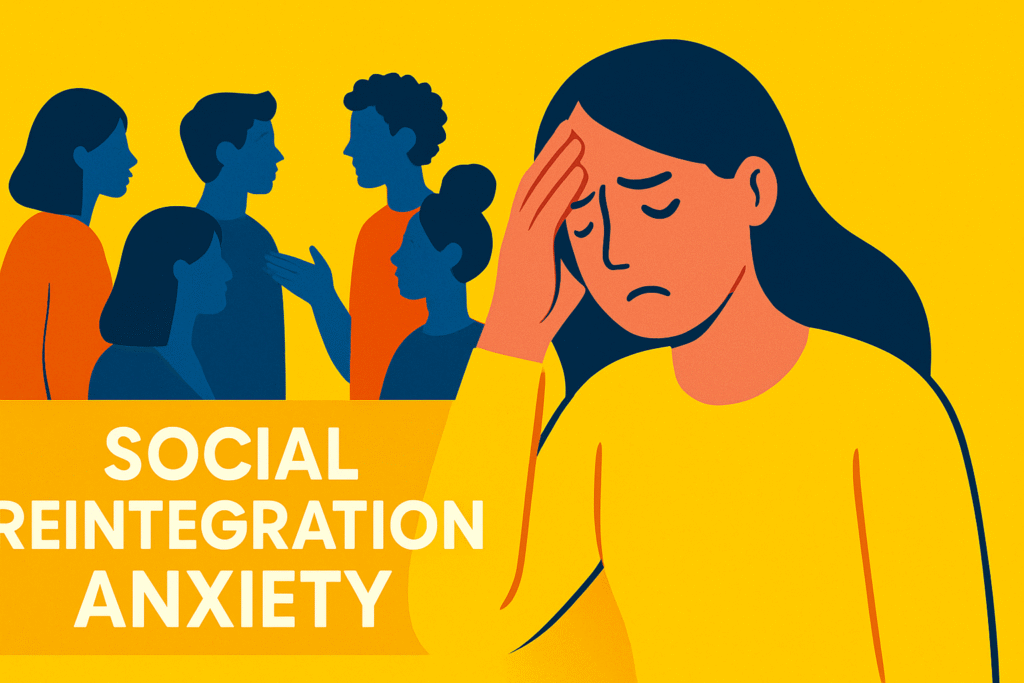
How Social Reintegration Anxiety Can Transform Your Social Reintegration Challenges in 2025 Imagine stepping back into a crowded room after years of isolation—maybe after prison, a long illness, or even a global lockdown. Your heart races, your palms sweat, and every conversation feels like a high-stakes test. Sound familiar? That’s social reintegration anxiety, and it’s a real hurdle for many facing social reintegration challenges in 2025. But, good factor is that it is an opportunity to grow. By understanding and tackling it, you can turn those fears into stepping stones for a confident comeback. In this article, I’ll share practical tips, real-world examples, and a sprinkle of humor to show you how to overcome reintegration fears and transform your social reintegration challenges into opportunities. Let’s dive in! Why Social Reintegration Challenges Matter Now More Than Ever In 2025, the world’s buzzing again—offices are reopening, social events are back, and communities are rebuilding. But for many, rejoining society feels like learning to ride a bike… in a storm… blindfolded. Social reintegration challenges aren’t just about showing up; they’re about navigating new norms, rebuilding connections, and battling self-doubt. Whether you’re a former inmate, a recovering patient, or someone who’s been socially distant, these challenges can feel overwhelming. Take Sarah, a 30-year-old who spent two years working remotely during a health crisis. When her office mandated a return, her social reintegration anxiety kicked in. “I forgot how to small-talk,” she laughed, “and I was terrified I’d say something awkward.” Sarah’s story isn’t unique—millions are grappling with similar fears. The good news? Social reintegration anxiety is a natural response to change, and it’s something you can work through. By addressing it head-on, you’ll not only conquer social reintegration challenges but also build stronger, more authentic connections. So, why does this matter now? Because 2025 is a year of reconnection. The world’s moving fast, and learning how to cope with reintegration anxiety is your ticket to thriving, not just surviving. The Power of Social Reintegration Anxiety Explained Okay, let’s get real: social reintegration anxiety sounds like a villain, but it’s more like a loud-but-well-meaning friend. It’s your nervous signal expressed by your brain. Instead of fighting it, you can harness it to tackle social reintegration challenges. Here’s how it works. First, anxiety sharpens your awareness. When you’re nervous about a social event, you’re hyper-tuned to body language, tone, and vibes. This can make you a better listener and a more empathetic friend. Second, social reintegration anxiety pushes you to prepare. Think about it: when you’re anxious, you’re more likely to practice that elevator pitch or plan conversation starters. That prep builds confidence over time. Consider James, an ex-inmate who faced massive social reintegration challenges after five years in prison. His anxiety about job interviews was through the roof. But instead of avoiding them, he used his nerves as fuel. He rehearsed answers, researched companies, and even practiced smiling in the mirror (yes, really!). His preparation paid off—he landed a job and now mentors others on how to overcome reintegration fears. James turned social reintegration anxiety into a tool for success, and you can too. The takeaway? Your anxiety isn’t a roadblock; it’s a roadmap. By leaning into it, you can navigate social reintegration challenges with purpose and grit. How to Get Started with Social Reintegration Anxiety Today Ready to make social reintegration anxiety your ally? Here are four actionable steps to start transforming your social reintegration challenges today. These are practical, beginner-friendly tips you can try right now—no PhD required! 1. Name Your Fears (and Laugh a Little) Start by writing down what scares you about reintegrating. Is it awkward silences? Judgmental looks? Naming your fears makes them less intimidating. Bonus points: give them silly nicknames. Call your fear of small talk “Chatty McPanic” or your worry about fitting in “Crowd Surfing Jitters.” Humor shrinks anxiety’s power and makes social reintegration challenges feel manageable. 2. Start Small, Like Really Small You don’t need to dive into a networking event to conquer social reintegration anxiety. Begin with low-stakes interactions, like chatting with a cashier or joining a virtual book club. Each small win builds confidence. Sarah, our remote worker from earlier, started by saying hi to one coworker a day. By week three, she was cracking jokes in the break room. Tiny steps lead to big leaps. 3. Practice Self-Compassion Here’s a truth bomb: you’re allowed to mess up. Social reintegration challenges are tough, and nobody nails it on day one. When anxiety spikes, try this: take a deep breath and say, “I’m doing my best, and that’s enough.” Self-compassion is a game-changer for how to cope with reintegration anxiety. It is a warm hug giving to your brain. 4. Seek Support (No Cape Required) You don’t have to face social reintegration anxiety alone. Talk to a friend, join a support group, or even work with a therapist. Online communities, like forums for ex-inmates or post-COVID social groups, are goldmines for tips on how to overcome reintegration fears. Sharing your story connects you with others who get it. These steps aren’t magic, but they’re powerful. Try one today, and watch your social reintegration challenges start to shrink. Common Pitfalls and How to Avoid Them Even with the best intentions, social reintegration challenges can trip you up. Here are two common mistakes and how to dodge them, so you can keep your social reintegration anxiety in check. Pitfall 1: Avoiding Social Situations It’s tempting to skip that party or cancel that coffee date when social reintegration anxiety flares. But avoidance only makes fears grow. Instead, commit to showing up, even for 10 minutes. Set a tiny goal—like saying hi to one person—and leave when you’re ready. Each time you show up, you’re rewiring your brain to handle social reintegration challenges better. Pitfall 2: Overthinking Every Interaction We’ve all been there. Overthinking fuels social reintegration anxiety and steals your joy. Try this: after a social event, jot down one thing that went well (e.g., “I made someone

Overcome Social Reintegration Anxiety FAST: Top Secrets to Crush Social Reintegration Challenges in 2025! Read More »

Why Mental Health Care Gaps Are Holding Us Back (And How to Fix Them!)

Mental health care gaps

Why Mental Health Care Gaps Are Holding Us Back (And How to Fix Them!) Imagine a world where everyone who needs mental health support can get it—without jumping through hoops, emptying their wallets, or facing judgment. Sounds like a dream, right? Yet, for millions, mental health care gaps are a harsh reality, blocking access to life-changing therapy and support. These gaps—whether due to cost, stigma, or lack of providers—are more than just inconveniences; they’re barriers to healing and happiness. But here’s the good news: we can bridge these gaps with practical solutions and a little determination. Let’s dive into why mental health care gaps matter and how we can close them for good! Table of Contents What Are Mental Health Care Gaps? Why Do Mental Health Care Gaps Exist? The Impact of Mental Health Care Gaps Solutions to Bridge Mental Health Care Gaps Conclusion: A Brighter Future Awaits FAQ What Are Mental Health Care Gaps? You’re struggling with anxiety, but the nearest therapist is 50 miles away, costs $150 per session, and doesn’t take your insurance. That’s a mental health care gap—a barrier that stops people from getting the help they need. These gaps come in many forms, like limited access to providers, high costs, or societal stigma that makes seeking help feel shameful. According to the National Alliance on Mental Illness (NAMI), nearly 60% of adults with a mental health condition didn’t receive treatment in the past year due to such barriers.  It is not only a statistic, but also a wake-up call. Mental health care gaps aren’t just about access; they’re about fairness. Everyone deserves a shot at mental wellness, but these gaps hit hardest in underserved communities, rural areas, and among those with lower incomes. The good news? Understanding these gaps is the first step to smashing them. Why Do Mental Health Care Gaps Exist? So, why are these gaps so stubborn? Lets find it step by step: Not Enough Providers: The U.S. faces a shortage of mental health professionals. The Health Resources and Services Administration (HRSA) estimates a shortage of over 6,000 psychiatrists in rural and underserved areas. Fewer providers mean longer wait times and less access. Sky-High Costs: Therapy isn’t cheap. A single session can cost $100–$200 without insurance, and even with coverage, copays and deductibles add up. For many, that’s a choice between therapy and groceries. Stigma’s Still a Thing: Despite progress, some folks feel embarrassed or judged for seeking help. Cultural & traditional beliefs or social fear of being labeled as “mentally weak” preventing people to reaching out. Geographic Barriers: If you live in a rural area, you might need to drive hours to see a therapist. Telehealth helps, but spotty internet or lack of tech can make it a no-go. Insurance Woes: Not all plans cover mental health services adequately. Some folks find their insurance doesn’t cover therapy at all, leaving them stuck. These aren’t just problems—they’re puzzles we can solve with creativity and commitment. The Impact of Mental Health Care Gaps Mental health care gaps don’t just inconvenience people; they ripple out, affecting families, workplaces, and communities. Here’s how: Worsening Mental Health: Without access, conditions like depression or anxiety can spiral. The World Health Organization (WHO) notes that untreated mental health issues contribute to 14% of the global disease burden. That’s huge! Economic Fallout: Mental health struggles cost the U.S. economy over $200 billion annually in lost productivity, per the American Psychiatric Association. When people can’t get help, they’re less likely to thrive at work or school. Strain on Relationships: Unaddressed mental health issues can lead to misunderstandings, conflicts, or isolation, putting stress on families and friends. Higher Healthcare Costs: People without mental health support often turn to emergency rooms for crises, driving up costs. NAMI reports that 1 in 4 ER visits involves a mental health or substance use issue. Take Niyati, a single mom in a small village. She battled anxiety but couldn’t afford therapy or find a local provider. Her symptoms worsened, affecting her job and her kids. Stories like hers show why closing mental health care gaps is urgent. Solutions to Bridge Mental Health Care Gaps Now, let’s get to the exciting part: solutions! We’re not helpless against mental health care gaps. Here are actionable ways to bridge them, inspired by experts and real-world successes: Expand Telehealth Access: Teletherapy has exploded, with platforms like BetterHelp and Talkspace making therapy available online. Communities can invest in better internet infrastructure to ensure rural areas aren’t left out. Example: During the pandemic, telehealth visits for mental health surged by 50%, per the Kaiser Family Foundation, proving it works! Train More Providers: Programs like loan forgiveness for mental health professionals who work in underserved areas can attract talent. Peer support specialists—trained individuals with lived experience—can fill gaps where therapists are scarce. Make Therapy Affordable: Sliding-scale fees, where providers charge based on income, can help. Advocacy for better insurance coverage, like the Mental Health Parity Act, ensures mental health is treated like physical health. Example: Some nonprofits offer free or low-cost counseling, like Open Path Collective, serving thousands annually. Bust the Stigma: Public campaigns, like Bell Let’s Talk in Canada, normalize mental health conversations. Schools and workplaces can host workshops to encourage seeking help without shame. Community-Based Solutions: Mobile mental health clinics can bring services to remote areas. Support groups, led by trained facilitators, offer low-cost, accessible options. Imagine if every town had a mobile clinic or every workplace offered free mental health workshops. These steps aren’t pipe dreams—they’re happening in pockets across the country, and we can scale them up! A Brighter Future Awaits Mental health care gaps are a challenge, but they’re not unbeatable. By understanding the barriers—cost, stigma, access—and embracing solutions like telehealth, affordable care, and stigma-busting campaigns, we can create a world where mental health support is within everyone’s reach. Let’s close these mental health care gaps together and build a future where no one is left behind. Ready to be part of the change? FAQ Q:

Why Mental Health Care Gaps Are Holding Us Back (And How to Fix Them!) Read More »

Saving with Tax Deductions Managing Multiple Income Streams Mastering Tax Residency as a Digital Nomad Finance Tips for the Modern Nomad Unlock Financial Freedom on the Road Your Nomad Finance Journey Starts Here Passive Income for Digital Nomads Affordable Destinations for Digital Nomads Budget Hacks for Digital Nomads How to Budget Like a Pro While Traveling the World