






DNA diet plan

Why Genetic Testing for Diet Is Your Secret Weapon to Eating Smarter
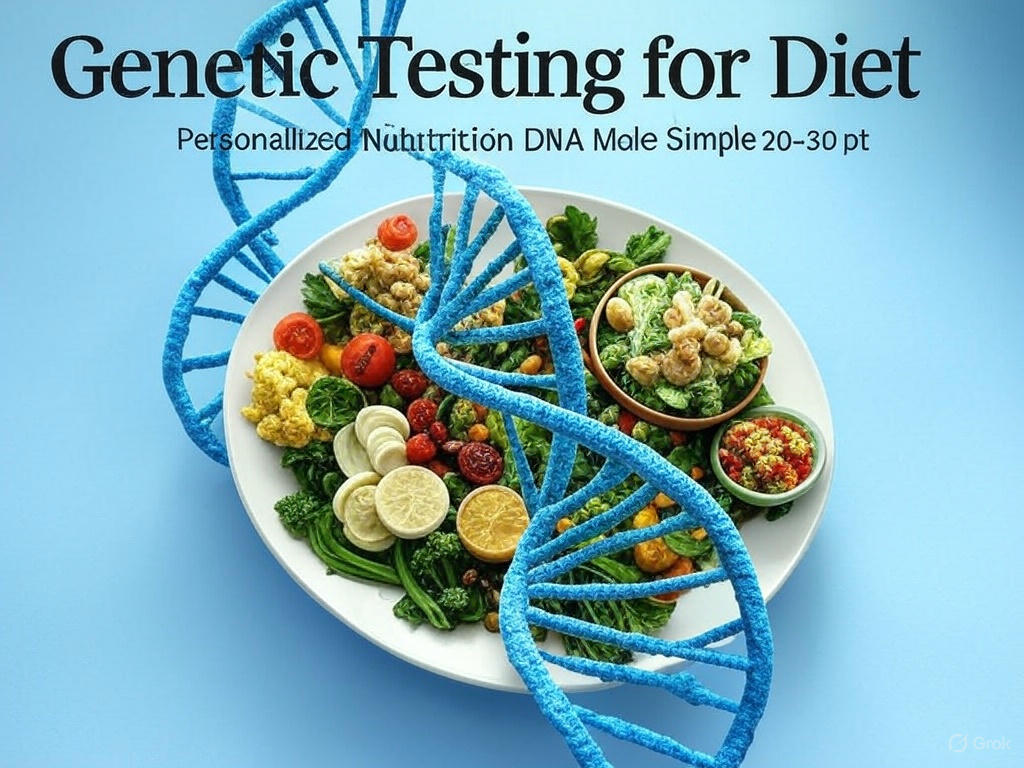
Genetic testing for diet

Why Genetic Testing for Diet Is Your Secret Weapon to Eating Smarter Ever wondered why your friend thrives on keto while you feel sluggish on the same plan? The answer might be hiding in your DNA. Genetic testing for diet is flipping the script on one-size-fits-all nutrition, offering a personalized roadmap to what your body truly needs. As a nutritionist who’s spent years diving into the science of food and genes, I’m here to break down why this cutting-edge approach could be your game-changer. Let’s explore how it works, what it reveals, and why it’s worth your attention—whether you’re a health newbie or a wellness geek. What Is Genetic Testing for Diet, Anyway? A simple cheek swab unlocks a treasure trove of info about how your body handles food. Genetic testing for diet analyzes specific genes that influence how you process nutrients, respond to carbs, or even crave sweets. It’s not about fortune-telling—it’s science that pinpoints your unique metabolic quirks. For example, I had a client, Sarah, who struggled with weight loss despite trying every fad diet. A genetic test revealed she had a variant that made her body cling to fats longer than most. Armed with that knowledge, we tweaked her meals to focus on lean proteins and fiber-rich veggies, and she dropped 15 pounds in three months without starving herself. That’s the power of personalization. How Does It Work? You don’t need a PhD to get this. Here’s the process in a nutshell: Order a Kit: Most companies send you a home testing kit. Spit in a tube or swab your cheek—no needles involved. Send It Back: Pop it in the mail, and the lab does the heavy lifting, analyzing your DNA. Get Results: In a few weeks, you receive a report detailing your genetic profile, often with diet tips tailored to you. Apply the Insights: Work with a nutritionist (or DIY if you’re savvy) to adjust your eating habits based on the findings. The science zeroes in on genes like FTO (linked to appetite) or AMY1 (which affects how you break down starches). About 70% of people have at least one genetic variant that impacts their diet response, according to a 2023 study in Nutrigenomics Journal. That means odds are, there’s something in your DNA worth knowing. What Can Genetic Testing for Diet Tell You? This isn’t just about whether you should go vegan or paleo. The insights are surprisingly specific and actionable. Here are some key things you might learn: Carb Sensitivity: Are carbs your friend or foe? Some folks process them like champs; others turn them straight into belly fat. Fat Metabolism: Your genes might reveal whether your body hoards saturated fats or burns them efficiently. Nutrient Needs: Ever wonder why you’re always tired? You could have a gene variant that demands extra B vitamins or omega-3s. Food Intolerances: Lactose or gluten giving you grief? Genetic tests can flag potential sensitivities (though they’re not a diagnosis). Cravings and Appetite: Got a sweet tooth you can’t shake? Your DNA might explain why—and how to manage it. Take my client Mike, a marathon runner who kept bonking during races. His genetic test showed he needed more magnesium and slow-digesting carbs to sustain energy. A few tweaks to his pre-race meals, and he shaved 10 minutes off his personal best. Small changes, big impact. Why It’s a Big Deal Diets are like jeans—what fits one person might pinch another. The problem? Most nutrition advice is generic, based on population averages. Genetic testing for diet flips that, giving you a plan that’s as unique as your fingerprint. A 2024 survey by HealthTrends found that 82% of people who used DNA-based diet plans felt more confident in their food choices within six months. Plus, it’s not just about weight. Your genes can clue you in on risks like high cholesterol or insulin resistance, letting you eat proactively to stay healthy. I’ve seen clients lower their blood sugar or triglycerides just by aligning their meals with their genetic blueprint. It’s like having a cheat code for wellness. Is It Right for Everyone? Let’s be real—genetic testing for diet isn’t a magic bullet. It’s a tool, and like any tool, it works best when used wisely. If you’re curious about optimizing your health or frustrated by trial-and-error diets, it’s a no-brainer. But if you’re not ready to act on the results, it might not be worth the cost (kits typically run $100–$300). It’s also not a replacement for medical advice. While it can hint at things like lactose intolerance, you’d still need a doctor to confirm serious conditions. And don’t expect miracles—genes are only part of the puzzle. Lifestyle, stress, and sleep matter just as much. I always tell my clients: think of it like a GPS. It points you in the right direction, but you still have to drive the car. For those willing to make changes, the payoff can be huge. Busting Common Myths There’s a lot of noise out there about genetic testing for diet, so let’s clear the air: Myth: It’s Just a Gimmick. Nope. Studies, like one from Stanford University in 2022, show DNA-based diets can outperform standard plans for weight loss and energy levels in certain groups. Myth: It’s Too Complicated. The reports are designed for regular folks, with clear suggestions like “eat more leafy greens” or “limit refined sugars.” Myth: It Locks You Into One Diet Forever. Your genes don’t change, but the advice evolves as science does. Plus, you can adapt it to your lifestyle—vegetarian, keto, whatever. When I first started exploring this field, I was skeptical too. But after seeing clients transform their health with data-driven choices, I’m a believer. How to Get Started Ready to give it a whirl? Here’s my advice based on years of guiding people through this: Pick a Reputable Company: Look for brands like 23andMe (health add-on), DNAfit, or Nutrigenix. Check reviews and ensure they focus on nutrition. Understand the Scope: Some tests cover diet and exercise;

Why Genetic Testing for Diet Is Your Secret Weapon to Eating Smarter Read More »

How DNA-Based Diet Can Transform Your DNA Diet Plan in 2025

DNA-Based Diet

Ever wondered why your friend can scarf down pizza like it’s a sport while you gain a pound just looking at a slice? It’s frustrating, right? You’ve tried every diet under the sun, yet nothing sticks. What if the secret isn’t willpower or some trendy fad—it’s your DNA? A DNA-based diet could be the game-changer you’ve been waiting for, and in 2025, it’s easier than ever to craft a DNA diet plan that’s custom-built for you. Imagine eating what works for your body, shedding stress, and feeling amazing—all because science finally cracked your genetic code. Let’s dive into how a DNA-based diet can revolutionize your DNA diet plan this year! Why DNA Diet Plans Matter Now More Than Ever Picture this: It’s 2025, and we’re drowning in health advice. One day, carbs are the enemy; the next, they’re your BFF. It’s exhausting! But here’s the thing—generic diets are like one-size-fits-all T-shirts: they kinda work for some, but not really for most. That’s where a DNA diet plan swoops in to save the day. By tapping into your unique genetic makeup, it cuts through the noise and tells you what your body needs. Why now? Technology’s made nutrition by DNA more accessible than ever. Companies are popping up left and right, offering affordable DNA tests that map out how you process fats, carbs, even caffeine. In 2025, skipping a DNA-based diet feels like using a flip phone in a smartphone world—sure, it works, but why settle? A DNA diet plan isn’t just trendy; it’s practical, personal, and primed to help you thrive. The Power of a DNA-Based Diet Explained So, what’s the big deal with a DNA-based diet? It’s like having a nutritionist who’s known you since birth—because, well, your genes have! Your DNA holds clues about how you metabolize food, store fat, and even handle hunger. For example, some folks have a gene variant that makes them store carbs like a squirrel hoarding nuts—hello, stubborn belly fat! Others might process protein like champs, making a high-protein DNA diet plan their golden ticket. Take my friend Sarah. She swore by keto for years, but the scale wouldn’t budge. After a DNA test, she learned her body wasn’t wired to burn fat efficiently—carbs were her fuel! She switched to a DNA-based diet with balanced carbs and lean protein, and boom—10 pounds down in months. That’s the magic of genetic meal planning: it’s not guesswork; it’s science tailored to you. Nutrition by DNA flips the script on trial-and-error eating, giving you a roadmap that actually leads somewhere. How a DNA Diet Plan Works in Real Life Ready to peek under the hood? Crafting a DNA diet plan starts with a simple swab—yep, just spit in a tube and send it off. A few weeks later, you get a report breaking down your genetic quirks. Maybe you’re sensitive to salt (watch that blood pressure!), or lactose is your kryptonite. From there, you tweak your meals to match what your DNA craves. Let’s say your report says you’re a fat-burning machine but sluggish with sugar. Your DNA-based diet might lean on avocados, nuts, and olive oil, while keeping cookies on the “once in a while” list. It’s not about deprivation—it’s about balance that feels effortless. Genetic meal planning takes it a step further by plotting out your week: think salmon stir-fry Monday, quinoa bowls Wednesday. No more “What’s for dinner?” panic—just a plan that fits like a glove. Here’s a pro tip: Pair your DNA diet plan with an app. Many DNA testing companies sync results to tools that spit out recipes faster than you can say “kale smoothie.” In 2025, it’s all about making nutrition by DNA as easy as ordering takeout—minus the guilt. How to Get Started with a DNA-Based Diet Today Convinced yet? Starting your DNA-based diet is simpler than you’d think, even if you’re not a tech whiz. Here’s the playbook: Not sure where to begin? Try a hypothetical: If I found out my genes love protein but hate gluten, I’d whip up a chicken-and-veggie stir-fry for dinner tonight. What would your first DNA diet plan meal be? Genetic meal planning is all about experimenting—except this time, the odds are stacked in your favor. The 2025 Edge: Why You Can’t Ignore This Now Here’s a wild thought: What if 2025 is the year you finally crack the code to feeling unstoppable? A DNA-based diet isn’t just another resolution—it’s a revolution. With nutrition by DNA hitting mainstream vibes, you’ve got tools at your fingertips that folks a decade ago could only dream of. Restaurants are even jumping on board—imagine ordering a DNA diet plan meal off the menu! Plus, it’s low-effort, high-reward. You’re not wrestling with willpower or counting every calorie—just eating what your body’s been begging for all along. My cousin tried a DNA-based diet last year and swears he’s got more pep in his step than his dog on a walk. Will it cure everything? Nah, but it’s a darn good start. Ready to Transform Your DNA Diet Plan? So, there you have it—your 2025 ticket to a DNA-based diet that’s as unique as your fingerprint. No more fad diets, no more frustration—just a DNA diet plan that fits you. Whether you’re shedding pounds, boosting energy, or just curious about what nutrition by DNA can do, now’s the time to jump in. Genetic meal planning isn’t sci-fi anymore—it’s your next step to owning your health. Why wait? Grab a DNA test, start small, and watch how a DNA-based diet transforms your plate—and your life. Got questions or a killer recipe idea for your DNA diet plan? Drop it in the comments—I’d love to hear your take! Let’s make 2025 the year we eat smarter, not harder. Who’s with me?

How DNA-Based Diet Can Transform Your DNA Diet Plan in 2025 Read More »

Saving with Tax Deductions Managing Multiple Income Streams Mastering Tax Residency as a Digital Nomad Finance Tips for the Modern Nomad Unlock Financial Freedom on the Road Your Nomad Finance Journey Starts Here Passive Income for Digital Nomads Affordable Destinations for Digital Nomads Budget Hacks for Digital Nomads How to Budget Like a Pro While Traveling the World